Structure selection
All three families are custom-developed. The distinction is the job the packaging has to do: locating components, absorbing shock, or enclosing and presenting the product.
| Trays & inserts | Protective packaging | Molded pulp boxes | |
|---|---|---|---|
| Primary job | Locate and separate components | Control movement and absorb shock | Enclose, protect and present |
| Structure focus | Cavity fit, spacing, finger access, nesting | Contact zones, support ribs, clearance | Closure, hinge detail, wall and surface |
| Common route | Wet press for close fit; dry press for industrial inserts | Usually dry press | Wet press for a refined face |
| Typical products | Device kits, cosmetic sets, accessory layouts | Electronics, components, fragile assemblies | Gift sets, premium retail packs |
| Approval focus | Product fit and removal | Packed-product performance | Opening sequence and appearance |
| Explore | Trays & inserts → | Protective packaging → | Pulp boxes → |
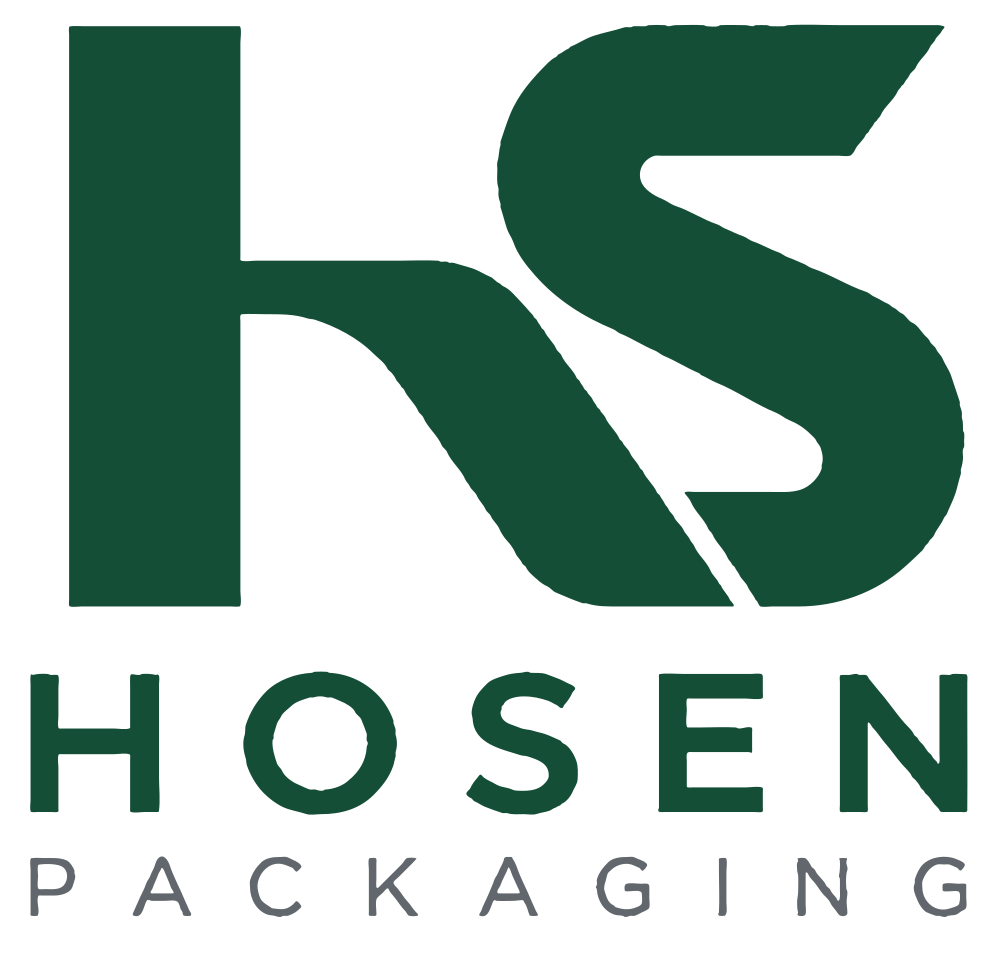
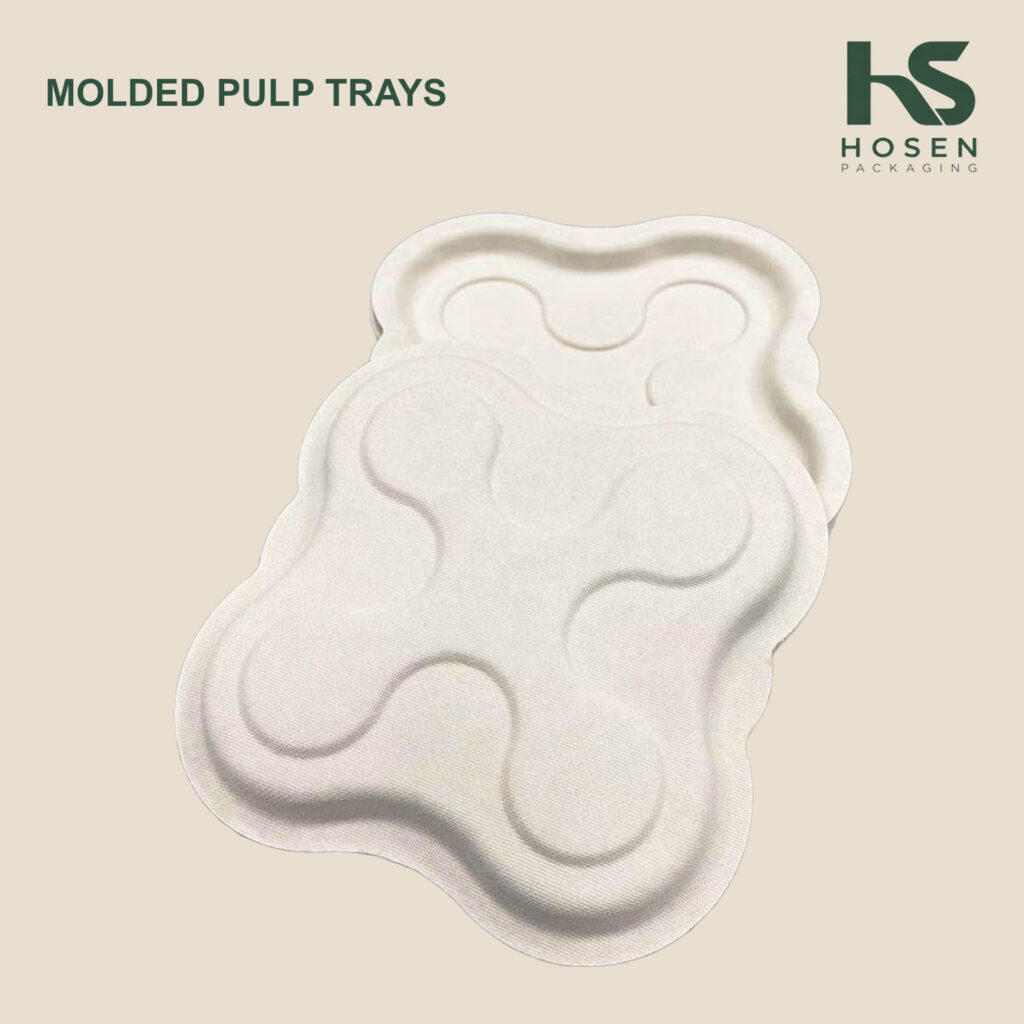
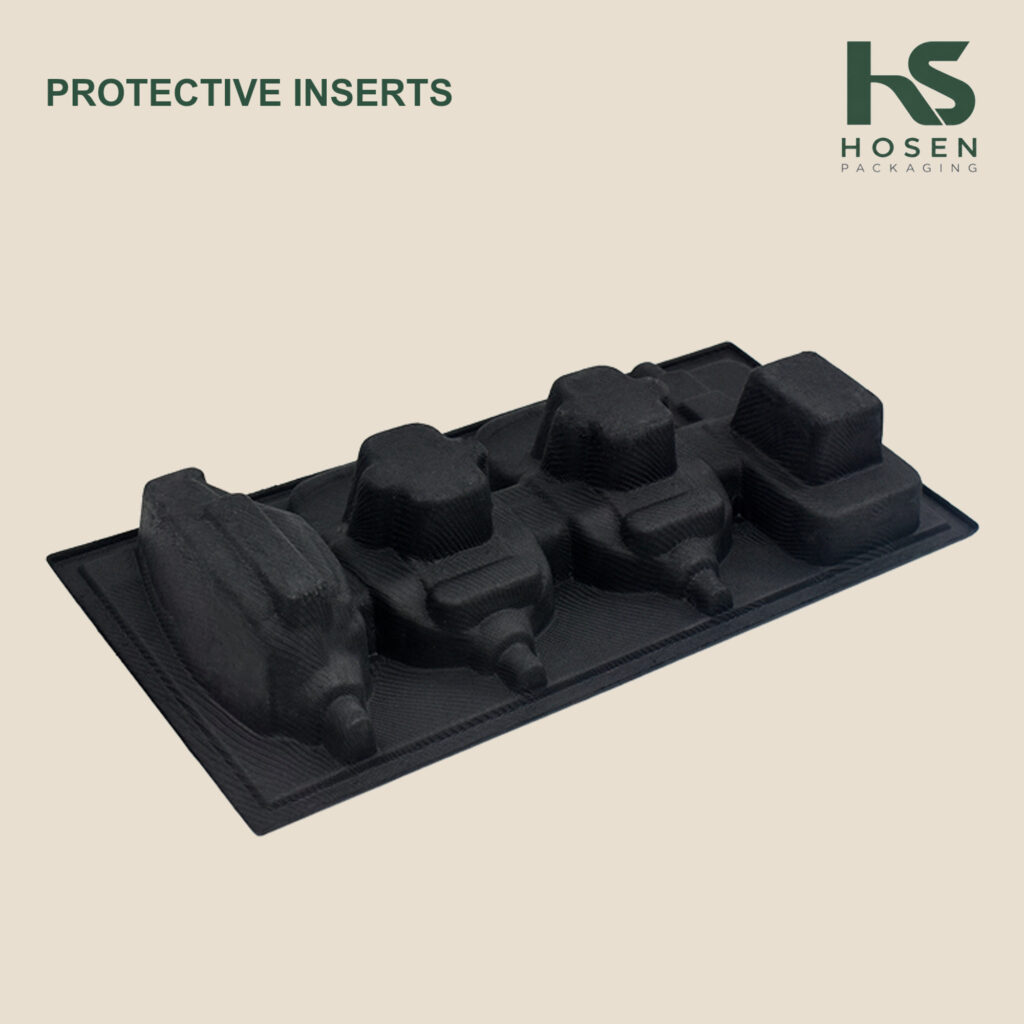
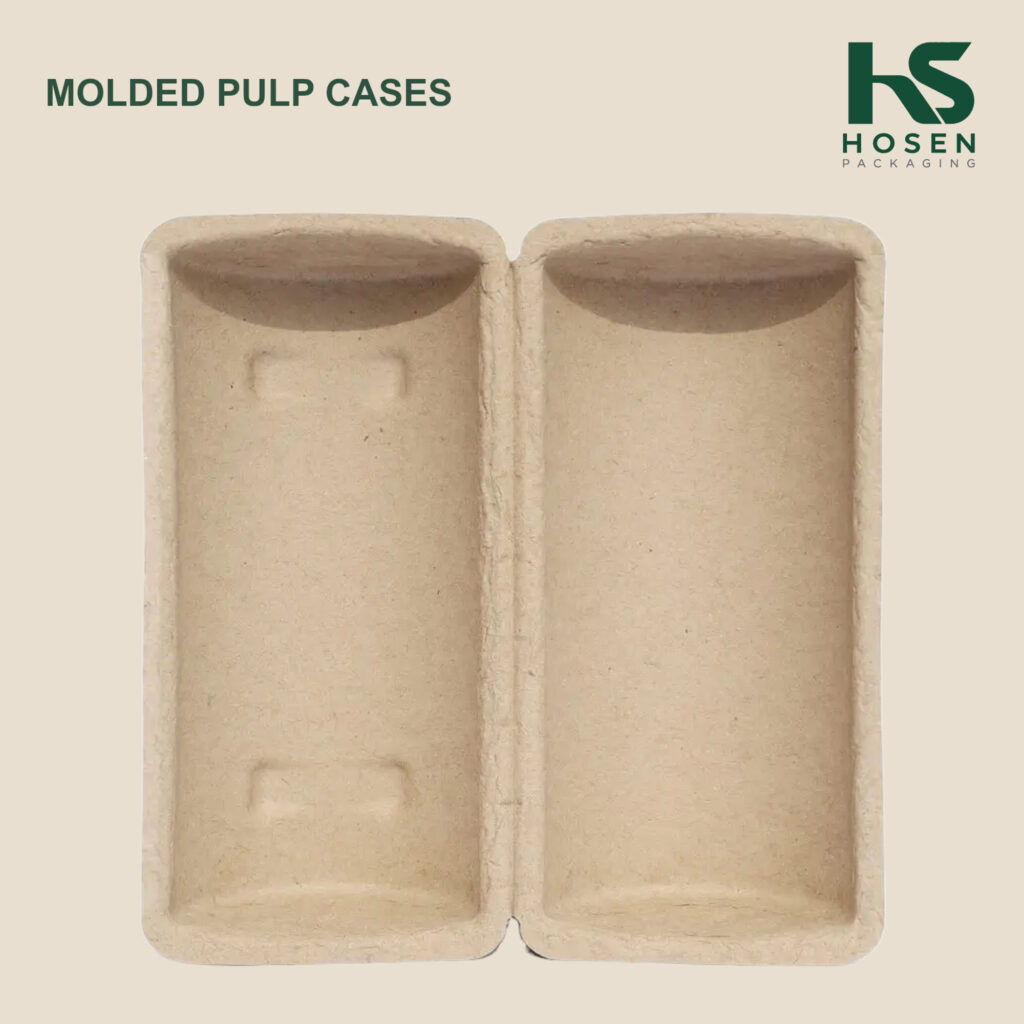
Examples of cavity geometry, surface finish and formed detail. Each one was developed for a specific product — the same structure would not be reused as a stock item for another project.
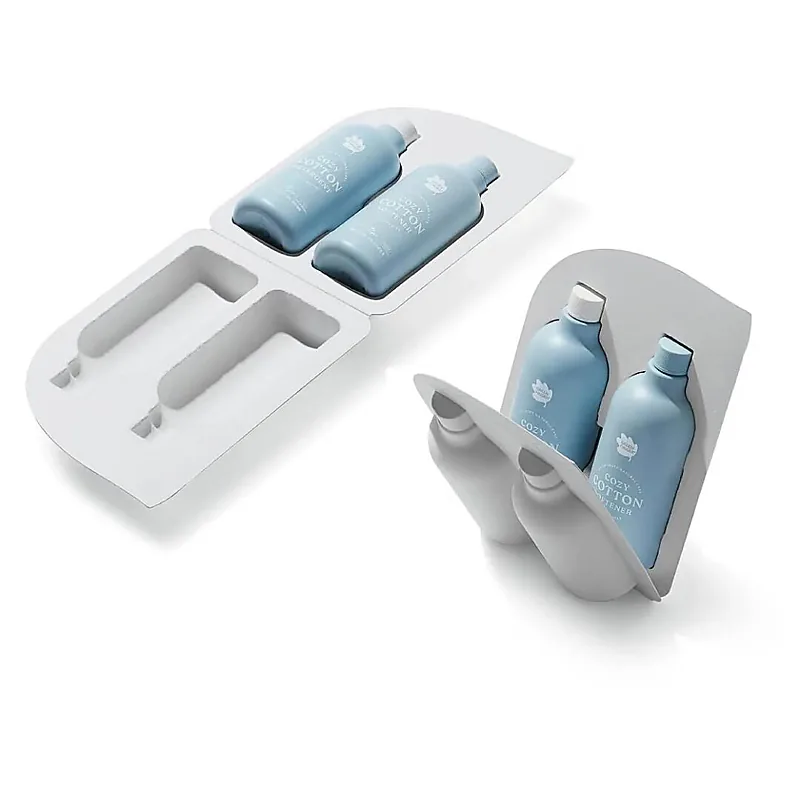
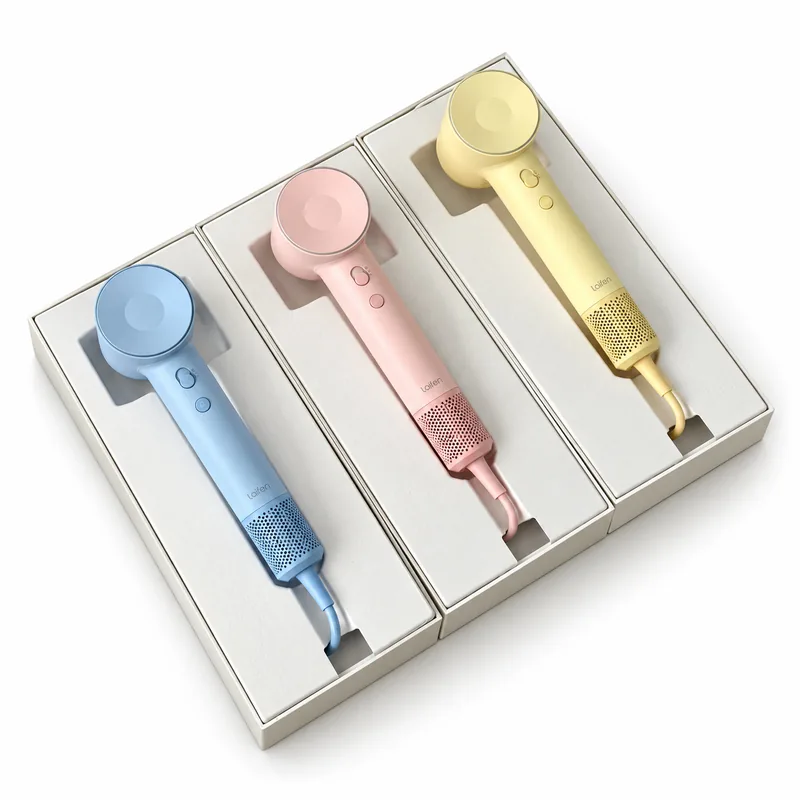
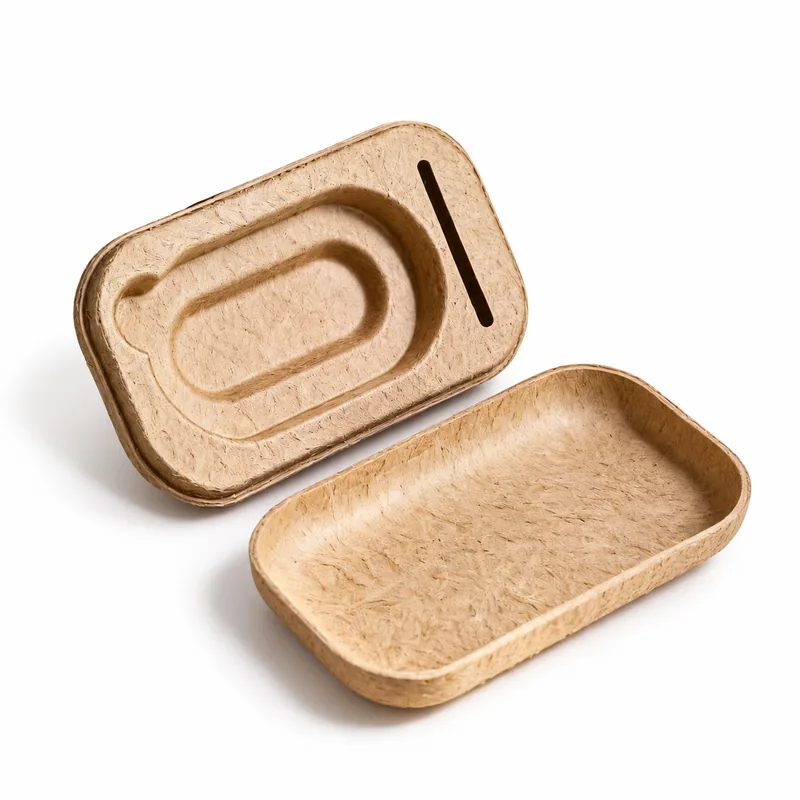
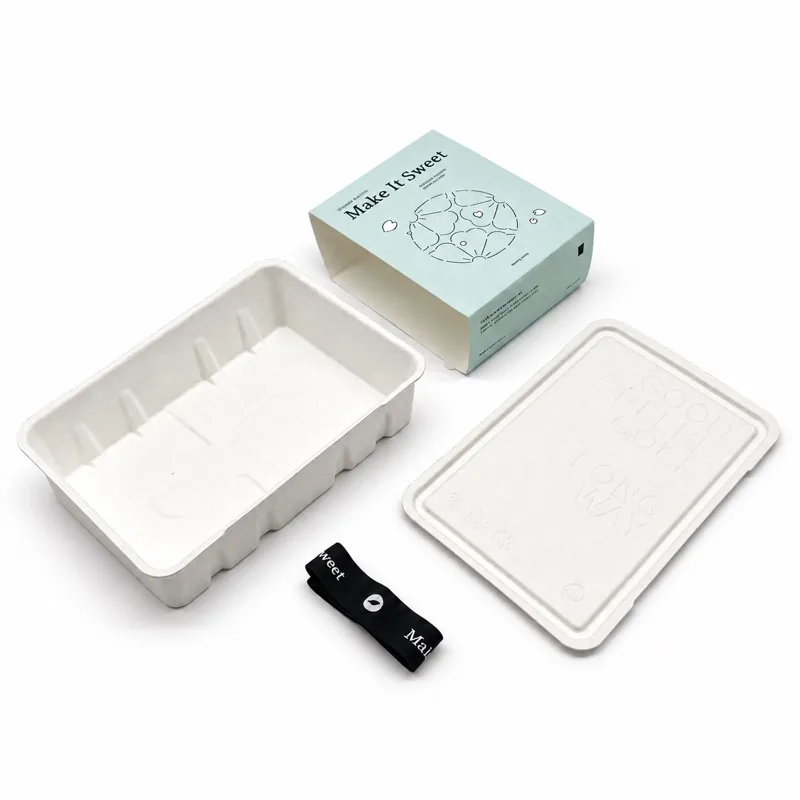
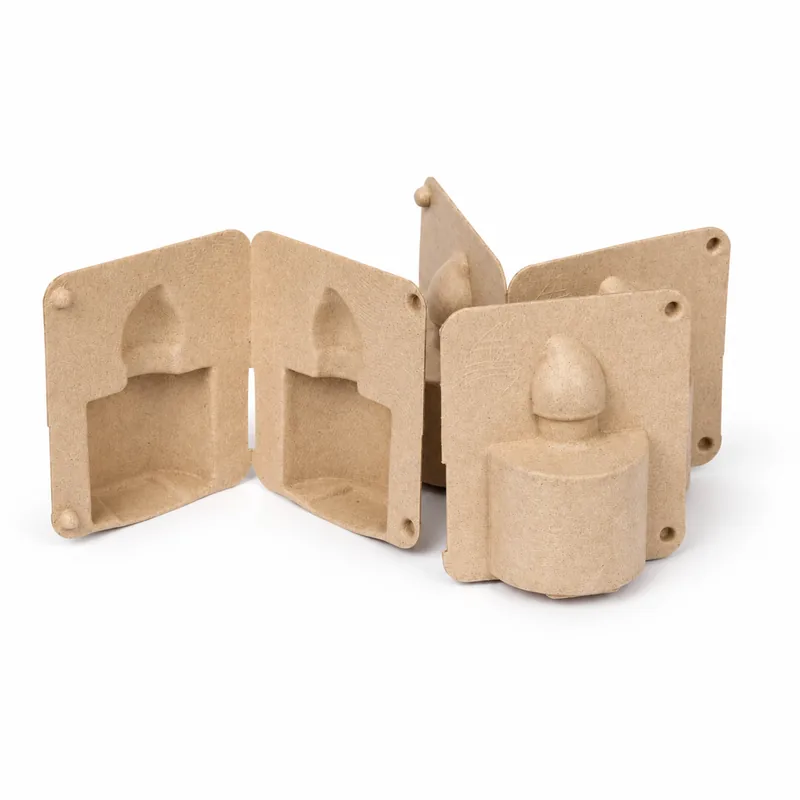
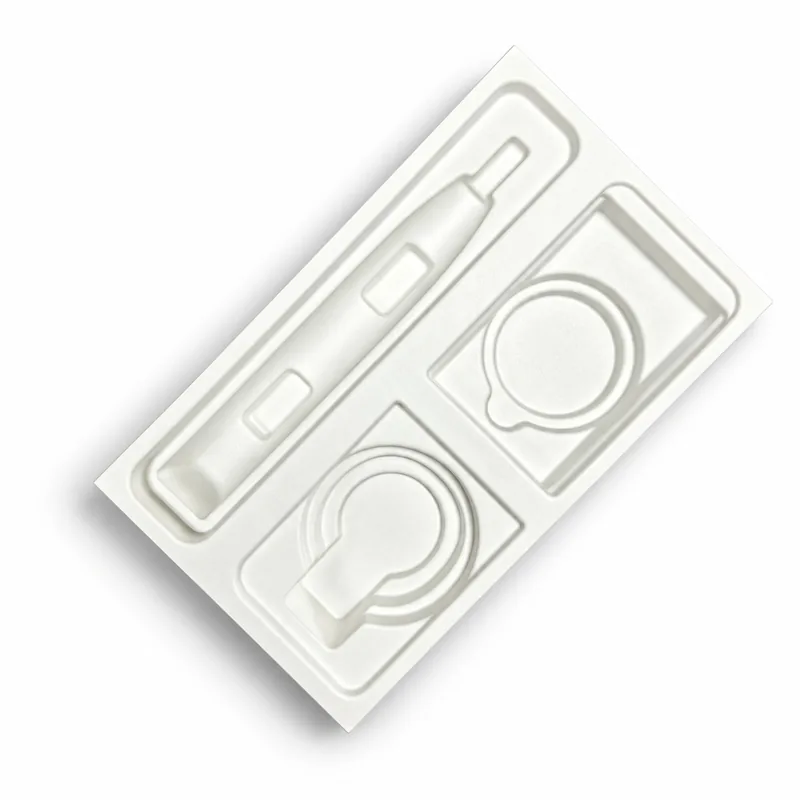
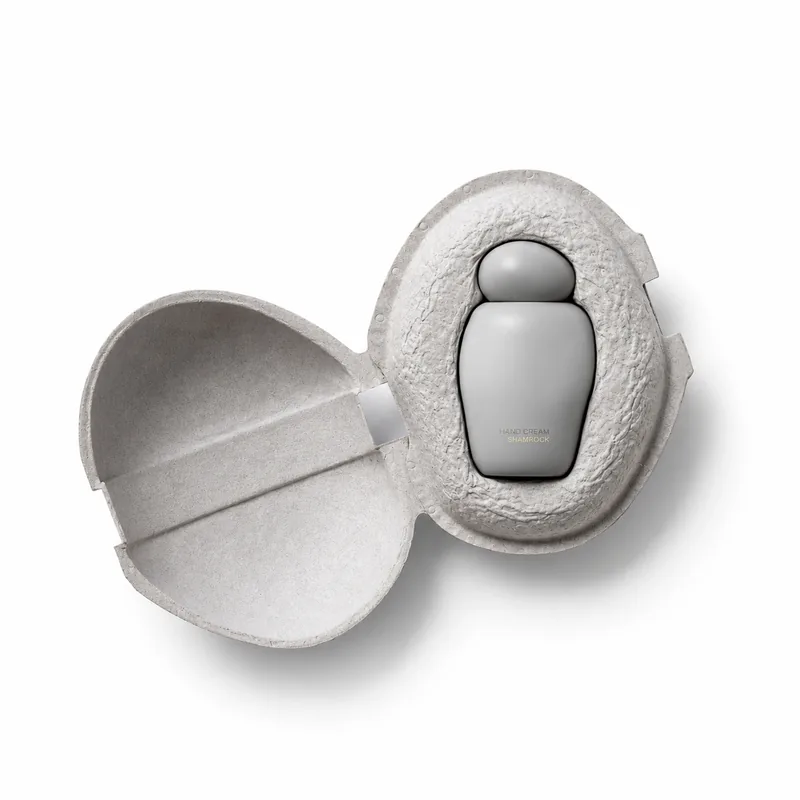
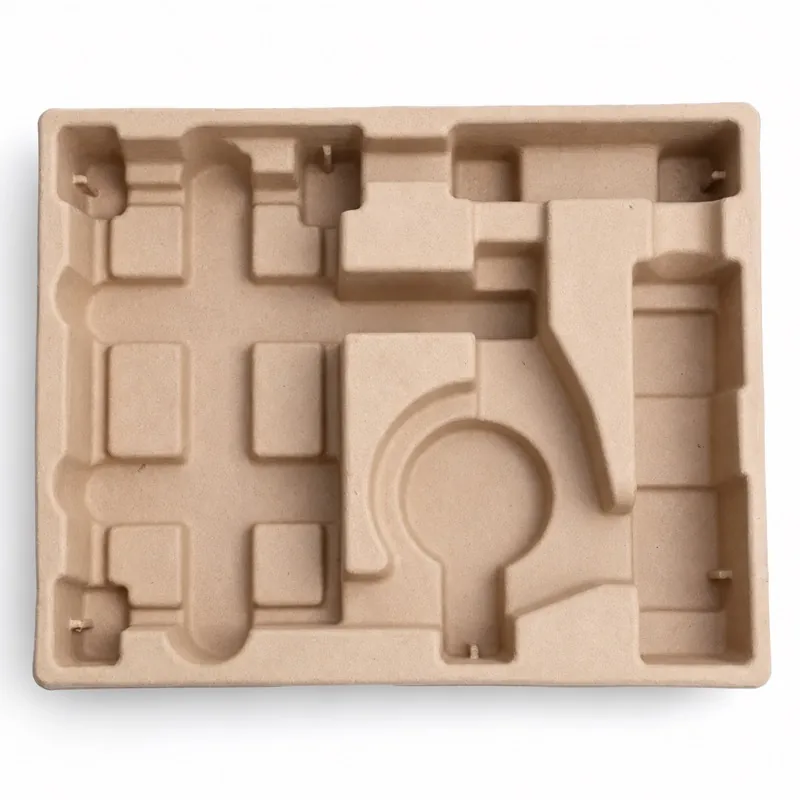
Images show custom packaging references used to illustrate structure, material and finish. They are not stocked items, and no customer relationship or endorsement is implied by any product shown.
Forming routes
We work with both forming routes. The right one depends on geometry, surface expectations, protection performance and cost — not on a fixed product category.
| Dry press | Wet press / thermoformed | |
|---|---|---|
| Surface | Textured, matte fibre face | Smoother face with finer detail |
| Typical wall | ~1.8–2.0 mm | ~0.8–1.0 mm |
| Detail & edges | Broader radii, softer edges | Tighter detail, crisper edges |
| Tooling | Lower tooling cost | Higher tooling cost, finer tool |
| Typical structures | Protective inserts, cushioning, component separation | Presentation trays, premium boxes, close-fit cavities |
| Fibre route | Recycled paper and virgin fibre options | Usually virgin fibre blends |
| Approval | Physical sample required | Physical sample required |
A photograph cannot confirm colour, texture, wall thickness or product fit. We agree these characteristics on a physical sample before the tool is committed to volume production.
Questions buyers ask
No. Every tray, insert and box is developed around a specific product and its outer packaging. The structures shown on this site are references for geometry and finish, not items available from stock.
The starting minimum is 3,000 pieces per project. Tell us your expected repeat demand as well, because it affects how we plan tooling and production.
Typically around 15 days once the brief, drawings and scope are agreed. The exact schedule is confirmed per project before we start.
Natural and white are standard; Pantone U matching is available on request with a target tolerance of ΔE ≤ 3. Brand detail can be applied by UV print, hot foil, screen print, or an embossed / debossed detail formed into the tool. Colour and finish are approved on a physical sample rather than a screen proof.
Dry pressing gives a textured surface and roughly 1.8–2.0 mm walls; wet pressing gives a smoother face, finer detail and roughly 0.8–1.0 mm walls. We recommend a route after reviewing product geometry, appearance, protection needs and tooling budget.
Six SGS test reports and our German Packaging Act (VerpackG) EPR registration can be downloaded from this site. Each document states its own scope and test method. Send us your destination market and we will confirm which documentation applies to your project.
Product dimensions and weight, drawings or photographs, the component list, fragile or cosmetic surfaces, target quantity, destination country, and any appearance or testing requirements. Our packaging brief guide walks through the full list.
Start a project
Share dimensions, weight, target quantity, destination country and any finish or protection requirements. We will reply with structure options, a material recommendation and a tooling quotation — not a generic catalogue.
Request a Quote Chat on WhatsAppWhatsApp +86 138 2727 8437 · chris@hosenpackaging.com · Dongguan, Guangdong, China